

 English
 Español
 Portugues
 Pусский
 العربية
 中文


Сосредоточение внимания на подземном некавальном технике инженерии


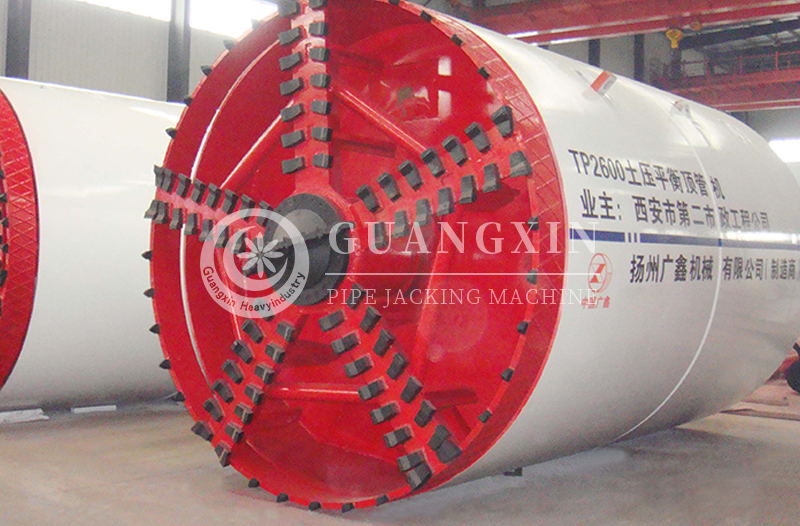
Pipe jacking is a trenchless construction method used to install underground pipelines, culverts, and tunnels with minimal surface disruption. This technique employs a pipe jacking machine, a specialized piece of equipment designed to push pipes through the ground while simultaneously excavating soil. The method has gained widespread adoption in urban infrastructure projects, environmentally sensitive zones, and areas where traditional open-cut methods are impractical or undesirable. The advantages of pipe jacking machines span multiple dimensions, including environmental impact, economic efficiency, operational precision, and public safety.
1. Minimal Surface Disruption
One of the most significant advantages of pipe jacking machines is their ability to install pipelines with minimal surface disruption. Unlike traditional open-cut methods, which require extensive excavation and can disrupt roads, sidewalks, and buildings, pipe jacking is a trenchless technique that operates entirely underground. This means that the surface remains largely intact, reducing the need for road closures, detours, and costly restoration work. In densely populated urban areas, where maintaining traffic flow and access to businesses is critical, this benefit is particularly valuable. The technology allows tunneling beneath roads without compromising pavement integrity or requiring costly reconstruction.
2. Environmental Benefits
Pipe jacking machines offer substantial environmental advantages compared to conventional excavation methods. Since the process is trenchless, it reduces the amount of soil disturbance and limits the impact on surrounding ecosystems. The method generates less noise and dust pollution, making it a more sustainable option for construction projects in sensitive areas such as parks, wetlands, and residential neighborhoods. The reduced need for heavy machinery and construction vehicles also lowers carbon emissions, contributing to a smaller environmental footprint. Additionally, pipe jacking can be used to tunnel under rivers, wetlands, and forests without disturbing the natural habitat.
3. Cost-Effectiveness
While the initial investment in a pipe jacking machine may be higher than traditional excavation equipment, the overall cost savings can be substantial. Pipe jacking reduces the need for extensive surface restoration, road repairs, and traffic management, which can be expensive and time-consuming. The method minimizes the risk of damaging existing utilities and infrastructure, avoiding costly repairs and delays. When factoring in all direct and indirect expenses, pipe jacking methods can deliver 20-30% cost savings for urban pipeline projects compared to traditional approaches. The reduced labor requirements also contribute to lower overall project costs.
4. Enhanced Safety
Pipe jacking improves safety on construction sites by reducing the risks associated with open trenches and heavy machinery. Open-cut methods often involve deep excavations, which can pose hazards such as cave-ins, falls, and equipment accidents. By avoiding large open trenches, the risk of workers falling or being trapped is significantly reduced. The enclosed tunneling environment protects workers from cave-ins, falling objects, and exposure to contaminated soil or groundwater. Additionally, the machine's remote operation capabilities allow supervisors to monitor progress without entering potentially hazardous areas.
5. Precision and Accuracy
Pipe jacking machines are equipped with advanced guidance systems that ensure precise and accurate installation of pipelines. Modern machines incorporate laser-based or GPS technology, allowing operators to control the direction, alignment, and grade of the pipes with high precision. This level of accuracy is particularly important for gravity-driven systems, such as sewers, where even minor deviations can lead to operational issues. The real-time monitoring system allows adjustments to be made to the direction and positioning of the pipe, minimizing errors and ensuring precise pipe connections.
6. Versatility in Application
Pipe jacking machines are highly versatile and can be used in a wide range of soil conditions, including clay, sand, gravel, and rock. They can accommodate various pipe materials, such as concrete, steel, and plastic, making them suitable for diverse applications. Whether the project involves installing sewer lines, water mains, gas pipelines, or telecommunications conduits, pipe jacking machines can be adapted to meet specific requirements. The ability to adapt to various ground conditions makes pipe jacking a flexible solution for diverse underground construction projects.
7. Faster Project Completion
Pipe jacking machines enable faster project completion compared to traditional methods. Since the process is mechanized and continuous, it eliminates the need for frequent stops and starts associated with open-cut excavation. Pipe jacking machines can complete pipeline installations up to 40% faster than traditional open-cut methods in urban conditions. The continuous operation eliminates time-consuming steps like trench shoring, dewatering, and backfilling. Projects also avoid weather-related delays that frequently impact open excavations during rainy seasons.
8. Reduced Risk of Utility Damage
Traditional excavation methods carry a high risk of damaging existing underground utilities, such as gas lines, water pipes, and electrical cables. Pipe jacking machines minimize this risk by allowing for precise control over the excavation process. The operator can carefully navigate around existing infrastructure, reducing the likelihood of costly and dangerous accidents. The method also allows for careful planning and mapping of underground utilities before construction begins, further minimizing the likelihood of damage.
9. Reduced Community Impact
By minimizing surface disruption and shortening project timelines, pipe jacking machines significantly reduce the impact on local communities. Residents and businesses experience fewer inconveniences, such as road closures, noise, and dust, leading to greater public acceptance of the project. The reduced surface footprint means fewer construction vehicles moving through communities, decreasing traffic congestion and associated emissions. These community-friendly characteristics make pipe jacking projects more likely to receive quick approval from local planning boards and residents.
10. Long-Term Durability
Pipelines installed using pipe jacking are known for their long-term durability and reliability. The prefabricated pipe sections are designed to withstand underground pressure and environmental stresses. The pipes experience less strain from soil movement and surface activity, and the high-quality materials used in pipe jacking ensure the pipes are strong enough to withstand underground pressure. In the long term, this translates to fewer repairs and lower maintenance costs.
Pipe jacking machines offer a comprehensive set of advantages that make them an indispensable tool for modern underground construction. From minimal surface disruption and environmental benefits to cost-effectiveness, enhanced safety, precision, versatility, and faster project completion, the technology addresses many of the challenges that have plagued traditional excavation methods for decades. As urban populations continue to grow and the demand for efficient, sustainable infrastructure increases, the role of pipe jacking machines in shaping the urban underground will only become more important. The method's ability to balance project requirements with community needs, while maintaining high standards of safety and environmental protection, positions it as a cornerstone of modern infrastructure development.
Адрес:
Нет.
Электронная почта:
gxgs@163.com
Телефон компании :
+86-136 6520 7888 / +86-138 0527 1538
URL:
www.guangxinglobal.com


Copyright © Yangzhou Guangxin Heavy Industry Co., Ltd. | Все права защищены


Комментарий
(0)